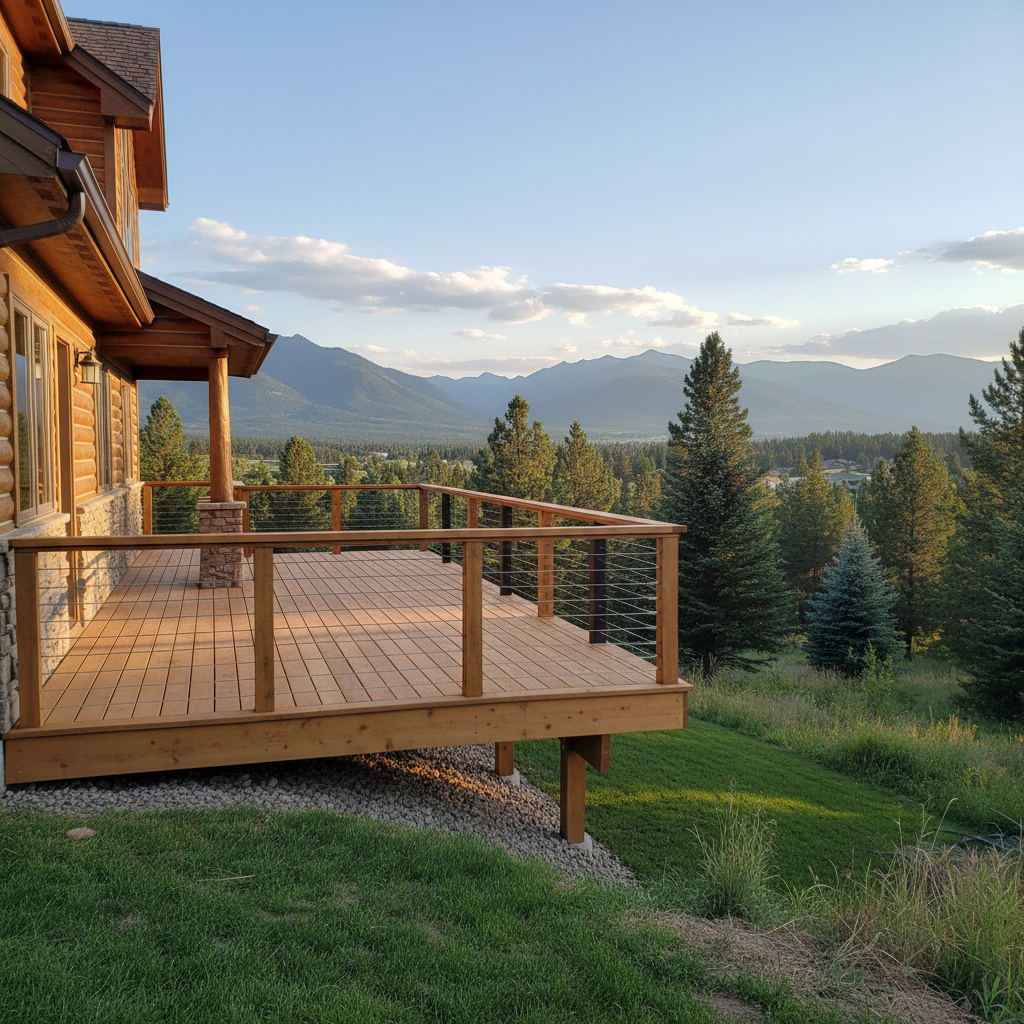
So, you're looking at your deck and thinking it's time for new railings. Maybe the old ones are wobbly, or you just want a fresh look that's safer and more modern. Good call. Railings aren't just for looks; they're a critical safety feature, especially if your deck is more than 30 inches off the ground. Planning this kind of project can feel a bit daunting, but it doesn't have to be. I've been doing this for years here in Missoula, and I can tell you what to expect from start to finish.
Setting Your Project Timeline
Let's talk timelines first, because that's usually the first thing folks ask. There's no magic number, but I can give you a realistic breakdown. From when you first decide you want new railings to when you're enjoying them, you're typically looking at anywhere from 4 to 12 weeks. Sometimes it's more, depending on the season and how easily we can get materials.
- Initial Research & Design (1-2 weeks): This is your homework phase. What kind of look are you going for? Composite, aluminum, cable, glass? Each has its own pros and cons, right? You'll want to browse styles, get some ideas, and maybe even sketch out what you like.
- Getting Bids & Choosing a Contractor (2-4 weeks): Don't rush this. Get a few quotes. Talk to the contractors. See who you click with and who seems to really understand what you want. This is where you'll ask all your tough questions.
- Material Ordering & Delivery (2-8 weeks): This is often the biggest variable. Custom railings, specific colors, or specialty materials can take time to come in. Supply chains are still a bit unpredictable sometimes. Standard composite or aluminum might be quicker, but always factor in potential delays.
- Permitting (1-3 weeks): Yep, railings often need permits. This is especially true if you're changing the structure or if your deck is high enough to require them by code. Your contractor should handle this, but it's part of the timeline. Missoula County has specific requirements, and we always make sure we're up to snuff.
- Installation (2-5 days): This is the actual work on your deck. For most residential railing projects, my crew can get it done in a few days. Bigger, more complex jobs might take a week. We work efficiently, but we don't cut corners.
So, you can see how it adds up. Don't plan on having new railings next weekend, especially if you're looking at something custom or during our busy summer season.
What to Expect During the Process
Once you've picked your contractor and the materials are ordered, here's a rough idea of what'll happen:
- Pre-Installation Meeting: We'll usually do a final walkthrough with you to confirm all the details – railing heights, post locations, gate swings, everything. This makes sure we're all on the same page before we start cutting.
- Demolition (if needed): If you have old railings, we'll carefully remove them. We'll protect your deck surface and clean up the debris.
- Post Installation: This is crucial. Railing posts need to be rock solid. Depending on your deck's construction, we might bolt them to the rim joist, or install blocking underneath. This isn't something you want to skimp on.
- Railing Assembly: Once the posts are secure, we start putting the railing sections together. This means cutting rails, installing balusters or infill panels, and securing everything according to manufacturer specifications and local building codes.
- Cleanup & Final Walkthrough: When we're done, we clean up the work area thoroughly. Then, we do a final walkthrough with you to ensure you're completely satisfied with the work. We'll show you how everything works, like gates, and answer any last questions you have.
It's generally a pretty straightforward process, but like any construction, there can be dust and noise. We try to minimize disruption to your daily life as much as possible.
How to Prepare Your Home for the Project
You can help make the installation go smoothly. Here are a few things you can do:
- Clear the Deck: Move any furniture, grills, planters, or anything else off the deck surface. We need clear access to work.
- Clear the Area Around the Deck: If we're going to be working around the perimeter, make sure there's a clear path. This includes moving vehicles, toys, or anything else that might be in the way.
- Secure Pets: Keep your furry friends inside or in a secure area away from the work zone. We'll have tools, materials, and people moving around, and we don't want anyone getting hurt or stressed.
- Provide Access to Power: We'll need electricity for our tools. Make sure an outdoor outlet is accessible, or let us know if we'll need to run an extension cord from inside.
- Talk to Your Neighbors: A courtesy heads-up to your neighbors about potential noise or activity for a few days is always a good idea. Especially if you live in a tighter neighborhood, like those older homes up in the Rattlesnake, it's just good manners.
These small steps make a big difference in keeping the project on schedule and stress-free for everyone.
Crucial Questions to Ask Before Signing a Contract
This is where you protect yourself and ensure you're getting a quality job. Don't be afraid to ask tough questions: