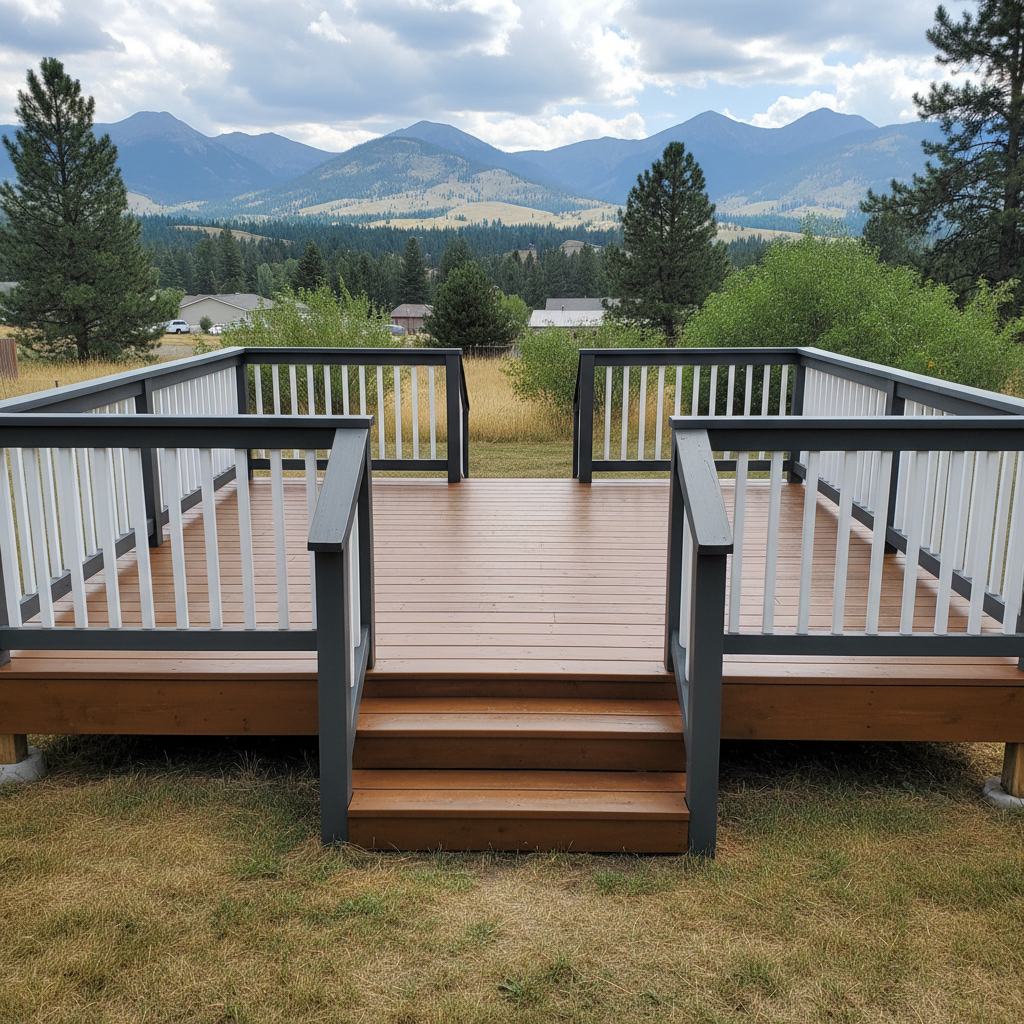
Your deck is a big investment, no doubt about it. Keeping it looking great and safe from our tough Missoula weather? That's key. Painting or staining seems pretty straightforward, right? Well, you'd be surprised how many folks mess it up, often before they even get the first brushstroke on the wood. I've seen it happen again and again, and it usually comes down to a few common blunders.
Mistake #1: Skipping Proper Prep Work
This is probably the biggest one, honestly. It's where most DIYers – and even some so-called 'pros' – try to save a buck or some time. You wouldn't paint a dirty wall, would you? So why would you stain a dirty deck? You can't just power wash it and think you're done. Power washing, if you don't really know what you're doing, can actually cause more damage than good. It blasts away those softer wood fibers, leaving an uneven surface that won't take stain properly.
Good prep means cleaning, brightening, and often some sanding. You need to get rid of all that old, peeling stain, any mildew, dirt, and grayed wood. If you're trying to stain over old stain that's flaking off, guess what? Your new stain will peel too. It's just like trying to build a new house on a shaky foundation. I've seen decks in spots like the Rattlesnake, which get a lot of shade and moisture. If you don't scrub off all that mildew and grime, your new stain won't stick, and you'll be doing the whole thing over again in a year or two.
Mistake #2: Choosing the Wrong Product for Our Climate
Missoula's weather is no joke. We get scorching, dry summers, freezing winters, and plenty of moisture cycles in between. That means the cheap stuff from the big-box store might not cut it. There's a huge difference between a quality oil-based penetrating stain and a thin, water-based acrylic that just sits on the surface.
Oil-based stains really soak into the wood, protecting it from the inside out and giving better UV protection. They tend to wear down more gracefully, fading over time instead of peeling. Water-based stains can work for certain projects, but you really need to be careful. They often form a film on top of the wood, which can be prone to peeling and flaking, especially with our freeze-thaw cycles here. Do your homework, or even better, just ask a local pro who deals with this stuff every day. Don't just grab whatever's on sale, okay?
Mistake #3: Applying Too Much or Too Little Stain
This sounds simple, but it's a common pitfall. Too little stain, and you won't get enough protection or color. Too much, and you'll end up with a sticky, tacky mess that won't dry right and will eventually peel. Remember, stain isn't paint; you're not trying to create a thick, opaque layer. You want it to really soak into the wood.
Most good quality stains suggest one or two thin coats. If you're doing two, make sure that first coat is completely absorbed and dry before you put on the second. Back-brushing is super important, especially on vertical parts like railings and balusters. It makes sure everything penetrates evenly and helps prevent drips. I've seen decks that looked great for a few weeks, then started showing shiny, sticky spots because someone just glopped on too much product.
Mistake #4: Ignoring the Weather Forecast
This one seems obvious, but you'd be surprised. Staining in direct, hot sun can make the stain dry way too fast, leading to lap marks and uneven absorption. Staining when rain is coming within 24-48 hours? That's just asking for trouble. The moisture will stop the stain from curing properly, which means splotches, poor adhesion, and a total waste of your effort.
Always check the forecast for at least a couple of days out. Look for mild temperatures, low humidity, and no rain. Early morning or late afternoon are often the best times to stain, helping you avoid the day's peak heat. Our spring and fall weather here in Missoula can be pretty unpredictable, so patience is definitely a virtue.
Mistake #5: Hiring the Cheapest Bid Without Asking the Right Questions
I get it, everyone likes a good deal. But when it comes to staining your deck, the cheapest bid often ends up being the most expensive in the long run. A low bid usually means they're cutting corners somewhere – maybe on the prep work, on the quality of the product, or just on their experience level.
When you're getting quotes, don't just look at the price tag. Ask about their process: What kind of prep do they actually do? What products do they use, and why? Are they insured? Can they give you references? Do they guarantee their work? A reputable company, like Missoula Deck Construction, will be happy to answer all these questions and walk you through their process. If someone gives you a suspiciously low price and can't explain their methods, that's a huge red flag. You're not just paying for labor; you're paying for expertise and a job that's actually going to last.
Your deck deserves to look good and stay protected for years, not just a few months. Taking the time to do it right, or hiring someone who will, saves you a lot of headaches and money down the road.