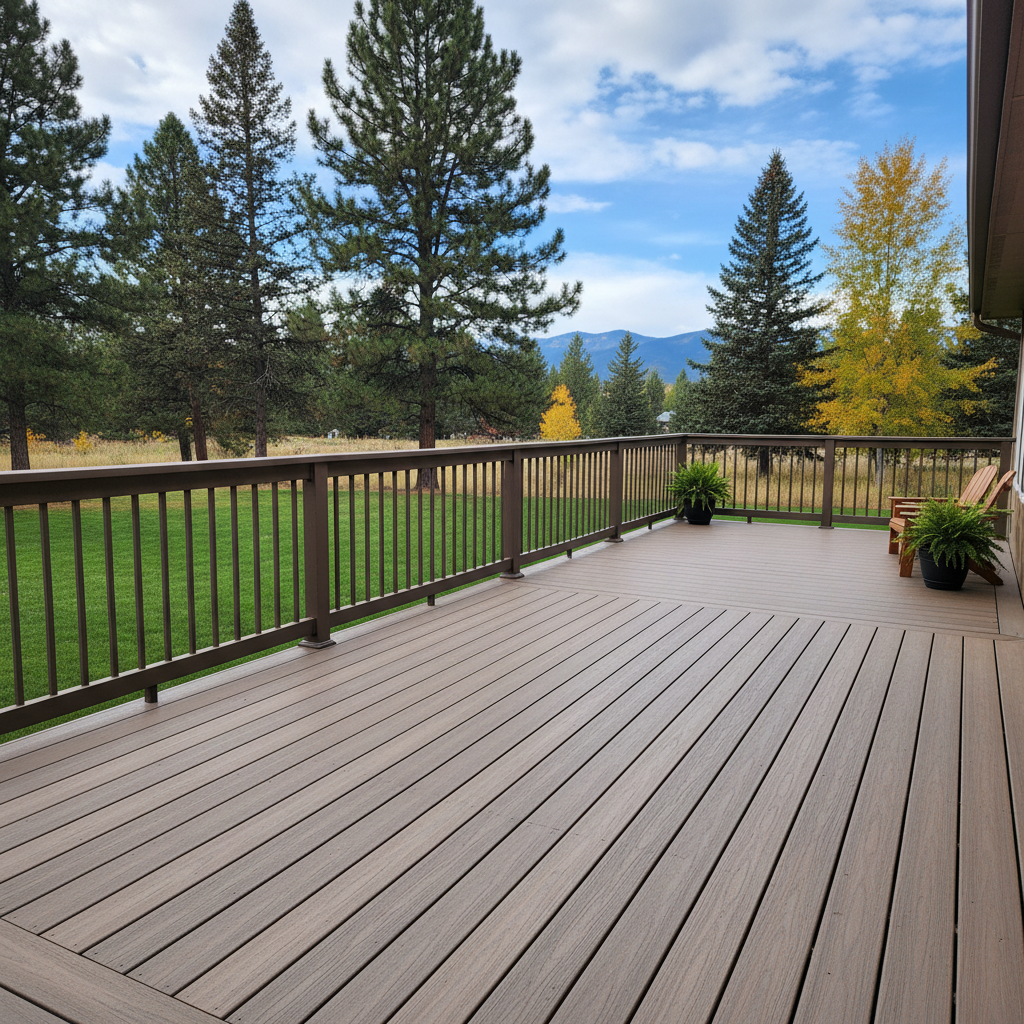
Think composite decks are maintenance-free? Not quite. They're definitely easier than wood, but if you want your deck to last and keep looking good, you've still got to put in a little effort. I've built a lot of decks around Missoula, from the Rattlesnake to Lolo, and I've seen what happens when folks forget about their composites. Let's talk about what you need to do.
Extend Your Deck's Life: Simple Habits Pay Off
The biggest thing you can do to make your composite deck last is pretty simple: keep it clean. Our Missoula weather, with its snowy winters and sometimes dusty summers, can leave a real mess on your deck. That grime isn't just ugly; it can actually lead to problems over time. Things like mold and mildew love to grow in damp, dirty spots, and while composite is resistant, it's not immune.
Another big one is protecting it from heavy furniture and sharp objects. You wouldn't drag a heavy grill across your living room floor, right? Same goes for your deck. Use glides or pads under furniture legs. If you've got a fire pit, make sure there's a protective mat underneath it. Even though composite is tough, it can still scratch or dent, and those marks are hard to get out.
Also, think about the sun. We get some intense sun here in the summer. While good composite decks are built to handle UV, minimizing prolonged exposure to direct, scorching sun on dark colors can help prevent some fading over decades. Consider an umbrella or a pergola if you're really trying to maximize longevity in a high-sun spot.
Regular Maintenance: What You Should Be Doing
Alright, so what does 'a little effort' actually look like? It's not much, honestly.
- Sweep it regularly: Get rid of leaves, pine needles, and dirt. Especially after a windy day or if you've got a lot of trees around. Those needles and leaves can trap moisture and promote growth.
- Wash it down: A good wash with soap and water a couple of times a year is usually all it takes. Use a soft-bristle brush or a mop. For tougher spots, there are specific composite deck cleaners out there. Just make sure they're approved for your decking material. Don't use harsh chemicals or abrasive scrubbers; they can damage the surface.
- Pressure washer caution: You can use a pressure washer, but be super careful. Keep the nozzle at least a foot away from the deck surface and use a fan tip. Too much pressure too close can etch or damage the composite, especially on older boards. I've seen folks blast off the cap layer, and that's a headache you don't want.
- Clear debris between boards: This is especially important in the fall. Leaves and dirt can get stuck in the gaps, holding moisture and making it harder for your deck to dry out after rain or snowmelt.
- Check for ice: When winter hits, don't use rock salt or ice melt products that aren't specifically approved for composite decks. Many contain chemicals that can stain or damage the material. Sand is a safer bet for traction, or just good old-fashioned shoveling.
Warning Signs: What to Look Out For
Even with good maintenance, things can happen. Keep an eye out for these red flags:
- Persistent staining: If you've got a stain that just won't come out with regular cleaning, it might indicate something more serious, or that the stain has really set in.
- Fading or discoloration: A little fading over years is normal, but if you see uneven or rapid fading, or strange splotches of discoloration, it's worth investigating. It could be a manufacturing defect or an issue with a cleaning product you used.
- Mold or mildew growth: While you can usually clean this off, if it keeps coming back quickly in the same spots, it might mean you have a drainage issue or a persistent moisture problem under or around the deck.
- Loose railings or steps: This is a safety issue. If anything feels wobbly, don't ignore it. It could be a loose fastener or a structural problem.
- Damaged boards: Cracks, splinters (rare on composite, but can happen if severely damaged), or boards that are warping or lifting. These are definite signs something's wrong.
When to Call a Professional
Most basic cleaning and minor fixes you can handle yourself. But there are times when it's smart to pick up the phone and call someone like us at Missoula Deck Construction.
- Structural concerns: If you notice any significant movement, sagging, or damage to the underlying structure (joists, beams, posts), that's a job for a pro. Deck collapses are no joke.
- Extensive damage: If you've got multiple damaged boards, or a large area of your deck is showing signs of distress that you can't easily fix, we can help assess the situation and recommend the best course of action, whether it's repair or replacement.
- Persistent mold/mildew issues: If you're constantly battling mold or mildew, especially in shaded areas or where snow piles up against the house near your deck in the winter, there might be an underlying drainage or ventilation problem that needs a professional eye.
- Safety concerns: Any time you feel your deck isn't safe for use, call us. We can do a thorough inspection and make sure everything is up to snuff.
Your composite deck is an investment in your home and your outdoor living. A little bit of care goes a long way in making sure it stays beautiful and functional for years to come. Don't neglect it, and it'll serve you well.