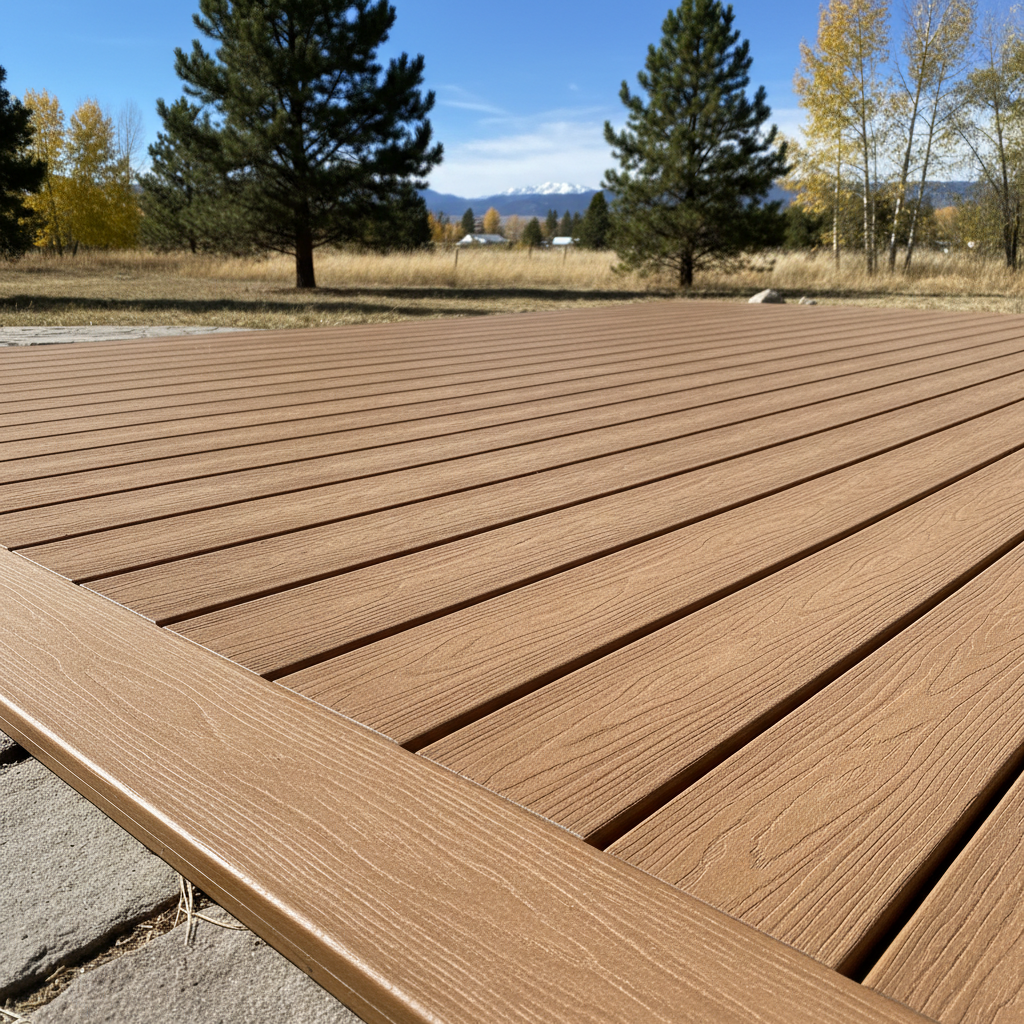
So, you're thinking about a composite deck. Good choice. They've come a long way, and for a lot of folks here in Missoula, they make a ton of sense. But before you dive in, you need a plan. It's not just about picking a color; it's about understanding the whole process, from that first thought to enjoying your morning coffee out there.
Before You Even Buy a Board: Planning & Prep
This is where most of the heavy lifting happens, even if it's just mental. First off, what do you want this deck to do? Is it for grilling and entertaining? Or maybe a quiet spot for reading? How big does it need to be? Sketch it out, even roughly. Think about sun exposure – a west-facing deck in July can get brutal, so maybe you're thinking about a pergola or some shade structure down the line.
Next, budget. Composite boards aren't cheap, but they save you a ton on maintenance later. Factor in not just the decking itself, but the substructure (framing lumber), fasteners, railings, and any permits. Speaking of permits, you'll almost certainly need one from the city or county. Don't skip this. It's not just a formality; it ensures your deck is built to code and safe. I've seen too many homeowners try to cut corners here, only to have issues later when they try to sell their house.
Now, the big question: DIY or hire a pro? For the planning and design, you can absolutely do a lot yourself. Figure out your needs, draw up some ideas, and get a feel for what you like. But when it comes to the actual build, especially the substructure, that's where I usually tell people to think hard about calling in the pros. Building a solid, level, and safe frame requires experience. You're dealing with structural integrity, and if it's not right, your expensive composite boards won't sit properly, and you could have serious safety issues. Trust me on this one.
During the Build: What to Expect & When to Step In
Let's say you've decided to tackle some of this yourself. Great. You've got your permits, your plans, and your materials. What's next?
- Footings: This is crucial. In Missoula, with our freeze-thaw cycles, your footings need to go below the frost line (usually 30-36 inches deep). Digging these properly and pouring concrete is definitely a DIY job if you're comfortable with some serious manual labor and accurate measurements. But getting them perfectly level and spaced is vital for the rest of the build.
- Framing: This is where I see most DIYers get into trouble. The frame needs to be square, level, and properly supported. You're dealing with joist spacing, ledger board attachment to your house (which has to be done right to prevent water intrusion), and making sure everything is structurally sound. If you're not confident with a circular saw, level, and structural fasteners, this is a prime spot to bring in a professional carpenter or a company like Missoula Deck Construction. A wobbly frame means a wobbly deck, no matter how nice the composite.
- Decking Installation: Once the frame is solid, installing the composite boards themselves is much more manageable for a DIYer. Most composite systems use hidden fasteners, which makes for a clean look. Read the manufacturer's instructions carefully – every brand is a little different regarding gapping, fastening patterns, and how to handle board ends. You'll need a good miter saw for clean cuts and a drill for the fasteners. Take your time. Don't rush it.
- Railings: Railings are another area where you can save some money by doing it yourself, especially if you're going with a pre-fabricated composite or aluminum system. Just make sure they meet code for height and spacing. Safety first, always.
After It's Built: Enjoying Your New Outdoor Space
So, the dust has settled, the tools are put away, and you've got this beautiful new composite deck. Now what? The biggest advantage of composite is its low maintenance. You won't be sanding and staining every couple of years like with wood. That's a huge win, especially with our long winters and hot summers that can really beat up a wood deck.
You'll still need to clean it. A good wash with soap and water (and a soft brush or pressure washer on a low setting) once or twice a year will keep it looking fresh. Watch out for mildew, especially in shaded areas or if you've got a lot of trees dropping leaves. Sweep off debris regularly to prevent staining. That's about it. No splinters, no rot, no major headaches.
Think about furniture, lighting, and landscaping around it. A deck isn't just a flat surface; it's an extension of your home. Make it inviting. Add some planters, comfortable chairs, maybe some string lights for evening ambiance. You've invested in a great outdoor space; now make the most of it. If you've got questions about any stage of this process, or you hit a snag you can't figure out, don't hesitate to call. That's what we're here for.